
Residential Gas Line Relocation Services in New York
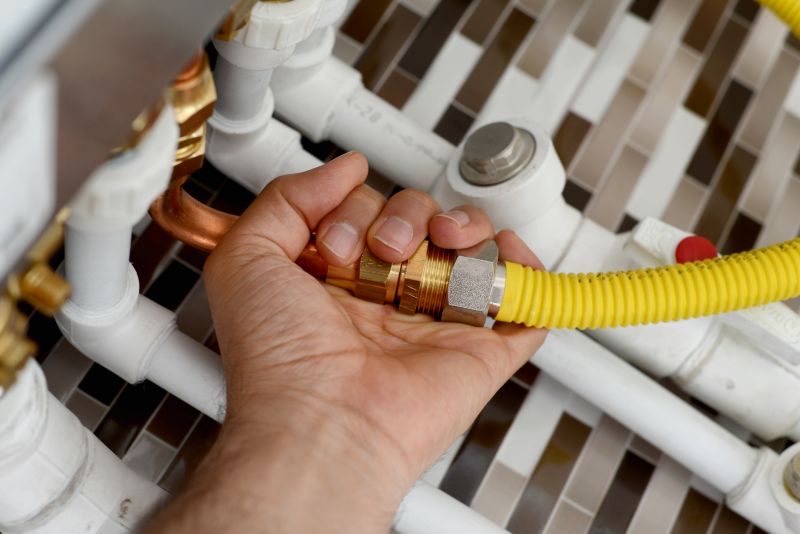
Specialized services for relocating residential gas lines to accommodate new construction or renovations.
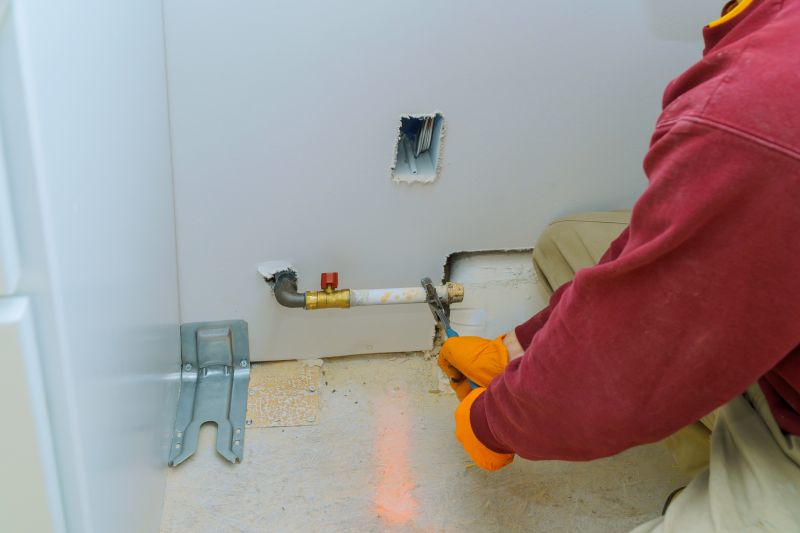
Replacing outdated or damaged gas piping to ensure safety and compliance.
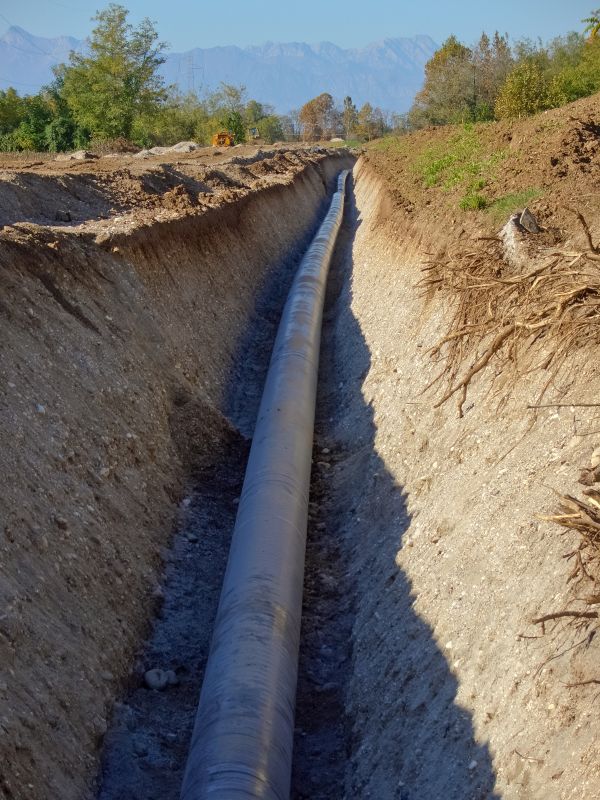
Careful underground adjustments to reroute gas lines around property obstacles.
Ways to make Gas Line Relocation work in tight or awkward layouts.
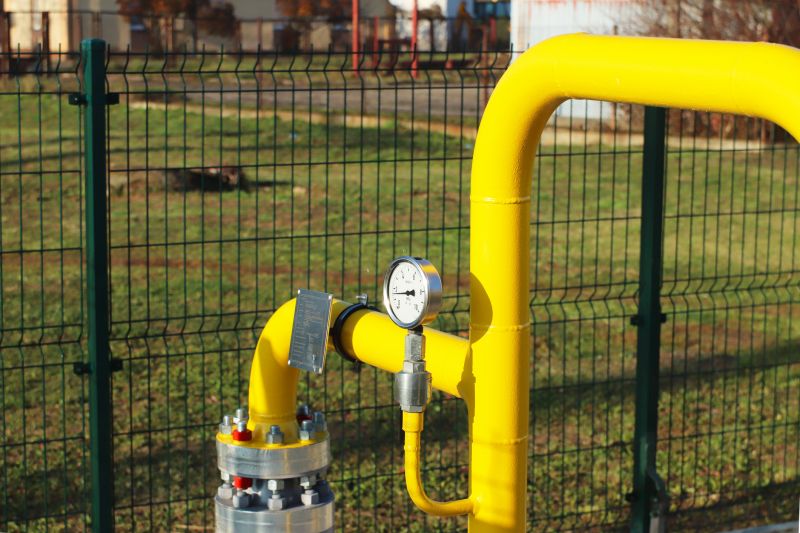
Popular materials for Gas Line Relocation and why they hold up over time.
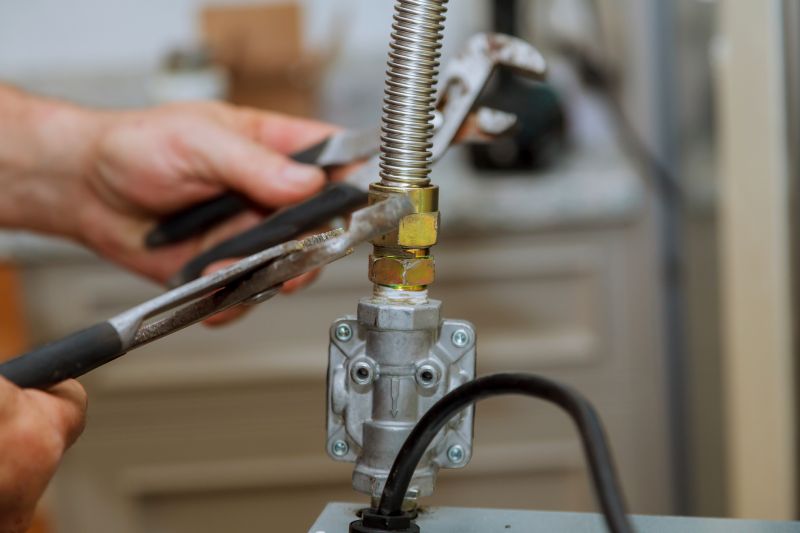
Simple add-ons that improve Gas Line Relocation without blowing the budget.
Includes neighborhoods across New York City, Brooklyn, Queens, Bronx, and Staten Island.
Most residential relocations are completed within 1-3 days, depending on property size and complexity.
Home renovations, new construction, or property reconfigurations often require gas line adjustments.
All relocations follow strict safety standards to ensure proper installation and operation.
| Service Type | Typical Duration |
|---|---|
| Basic Gas Line Relocation | 1-2 days |
| Complex Underground Re-routing | 2-4 days |
| Re-piping and Upgrades | 3-5 days |
| Emergency Relocation | Same day |
The process of relocating a residential gas line involves careful planning, precise excavation, and installation to ensure safety and compliance with local codes. A typical project begins with a site assessment, followed by obtaining necessary permits, then excavation and rerouting of the gas line. Final inspections confirm proper functioning before the line is put back into service.
When getting gas lines relocated, property owners can expect minimal disruption with professional handling of all safety measures. The duration depends on the scope of work, with most projects completing within a few days. Proper planning and experienced technicians help ensure timely completion and safety.
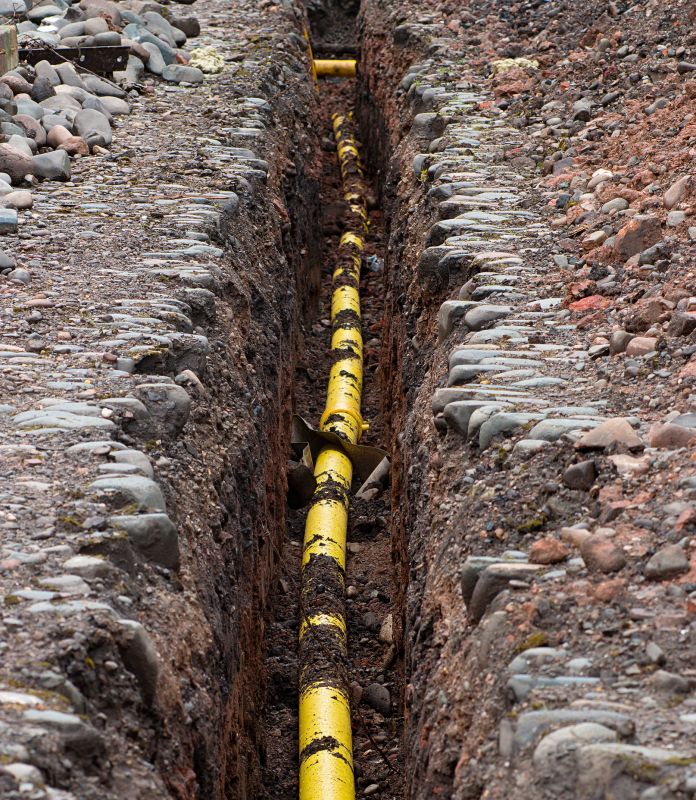
Careful excavation minimizes property disturbance during underground rerouting.
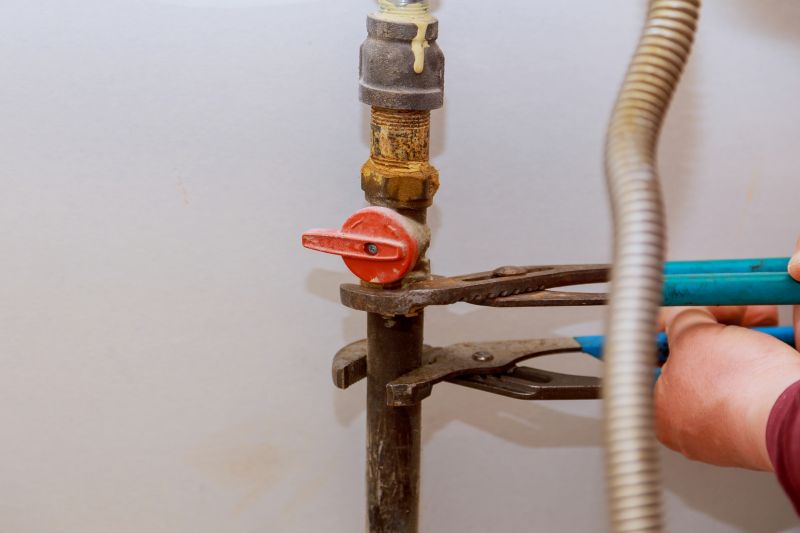
Thorough testing ensures safety and proper gas flow after relocation.
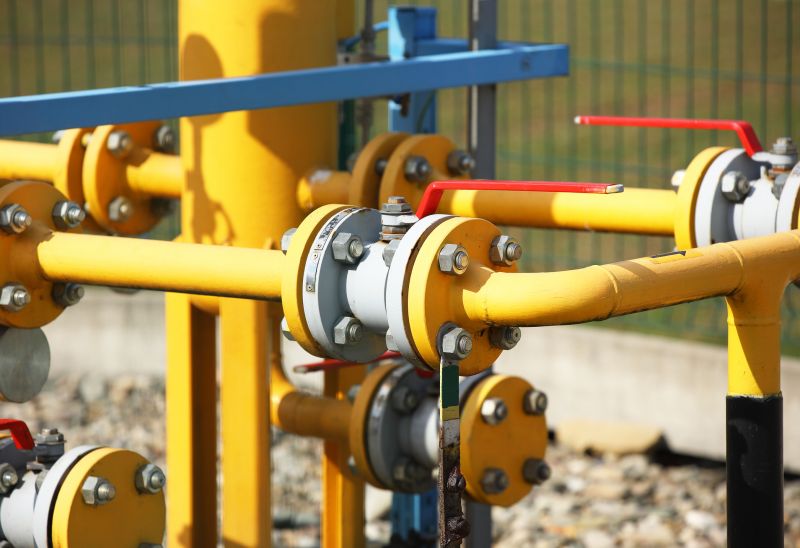
Adjustments made to accommodate new layouts or construction plans.
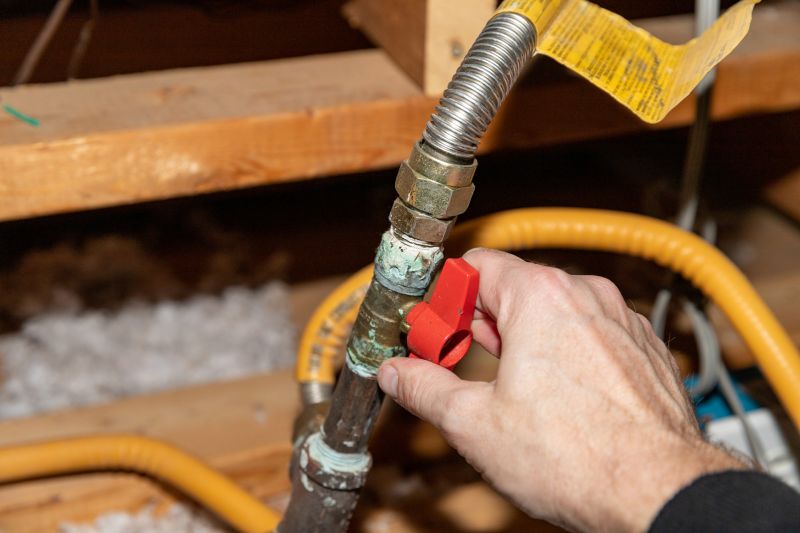
Ensures compliance with safety standards before reactivation.
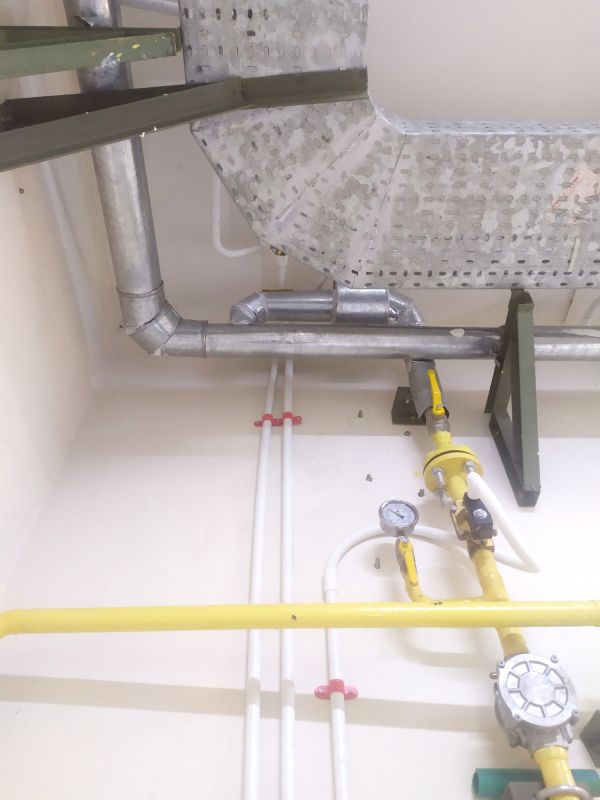
Installing new gas lines for home appliances or upgrades.
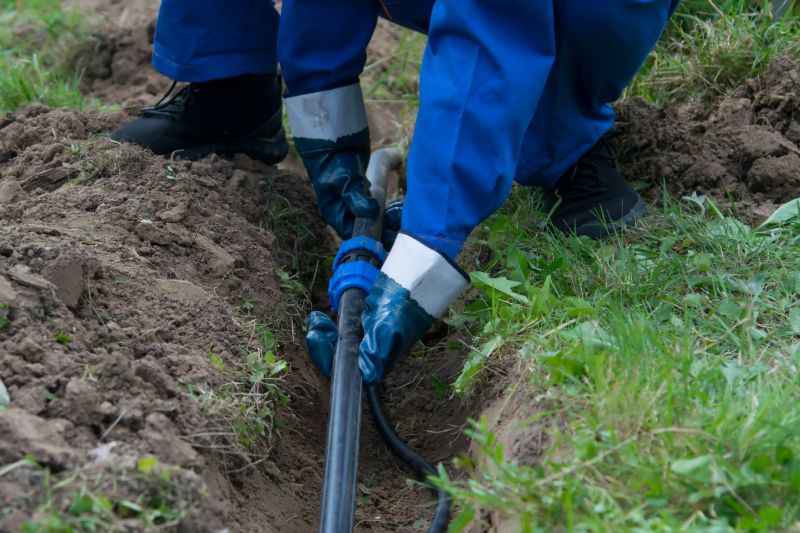
Addressing leaks or damages in existing underground lines.
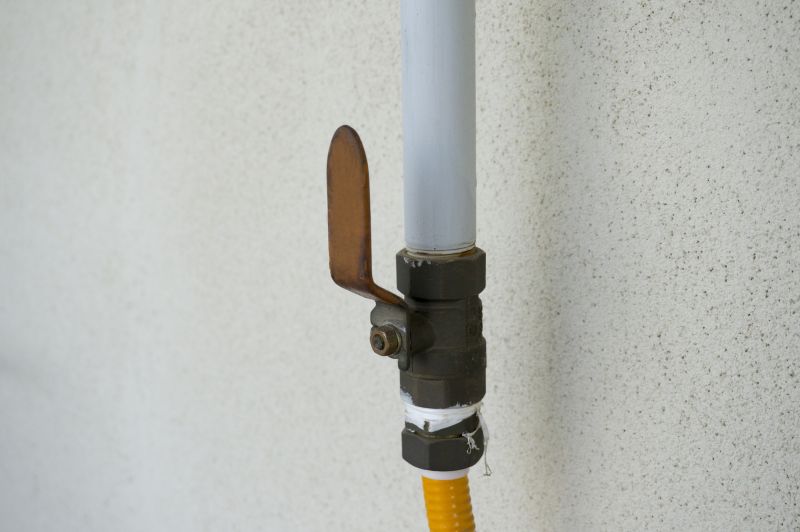
Use of valves and shut-offs for safe operation and maintenance.
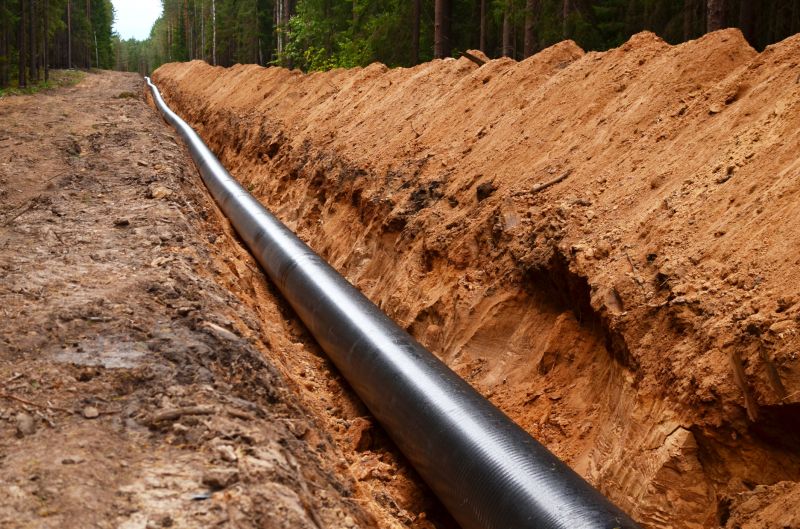
Strategic planning for gas line placement during new builds.
Residents planning a gas line relocation should consider scheduling the service well in advance to coordinate with other construction activities. Proper permits and inspections are essential to ensure safety and code compliance. Experienced professionals handle all phases of the project, from planning to final testing.
Filling out a contact form provides an opportunity to receive a detailed estimate tailored to specific project needs. Clear communication about the scope and timeline helps facilitate a smooth relocation process, minimizing delays and ensuring safety standards are met.